A community health improvement plan is a practical, organized way for a community to understand its health challenges and take clear action to improve overall well-being. It brings together local data, community voices, and shared goals into one focused plan that guides health efforts over several years.
This type of plan is used by local health departments, hospitals, nonprofits, schools, and community groups to work toward better health outcomes. Instead of addressing problems one by one, it creates a shared direction so everyone works toward the same priorities.
Below is a complete, clear, and practical explanation of how a community health improvement plan works, how it is created, and what makes it effective in real communities.
What Is a Community Health Improvement Plan
A community health improvement plan, often called a CHIP community health improvement plan, is a written roadmap that outlines a community’s most important health needs and the actions required to address them.
It is based on real data and community input. The plan identifies key health problems, sets measurable goals, and explains who will take action and how progress will be tracked.
Unlike general policy documents, this plan focuses on practical steps, shared responsibility, and measurable results.
See also How av19org is Pioneering Community Health for the Future
Why Community Health Improvement Plans Matter
Communities face many connected health challenges, such as chronic disease, limited access to care, mental health concerns, and environmental risks. Addressing these issues without coordination often leads to wasted effort and weak results.
A strong plan helps by:
- Aligning efforts across organizations and sectors
- Focusing resources on the most urgent health priorities
- Improving accountability through clear goals and measures
- Encouraging community trust by involving residents in decisions
When done correctly, it becomes a living document that guides action and decision-making.
Core Elements of a Strong Community Health Improvement Plan
Every effective plan includes several essential components. These elements work together to turn information into action.
Community Health Assessment Summary
The plan begins with a clear summary of local health data. This includes:
- Disease rates
- Access to healthcare services
- Environmental and social conditions
- Community survey results
The goal is not to overload readers with numbers, but to highlight patterns and priority issues.
Priority Health Issues
After reviewing data and community feedback, the most important health challenges are selected. These priorities are usually limited to a manageable number to keep the plan focused.
Examples may include:
- Heart disease and diabetes
- Mental health and substance use
- Maternal and child health
- Access to preventive care
Each priority is explained clearly, using local context.
Goals and Objectives
For each priority area, the plan sets specific goals supported by measurable objectives.
- Goals describe the desired improvement
- Objectives define how success will be measured
Strong objectives are clear, realistic, and time-based.
Strategies and Actions
This section explains what will be done to reach each goal.
Strategies may include:
- Health education programs
- Policy changes
- Service expansion
- Community partnerships
Each strategy is paired with concrete actions, responsible partners, and timelines.
Roles and Responsibilities
Clear ownership is critical. The plan identifies:
- Lead organizations
- Supporting partners
- Community stakeholders
This prevents confusion and ensures follow-through.
Evaluation and Progress Tracking
An effective plan includes a system for monitoring progress. This may involve:
- Annual performance reviews
- Public progress reports
- Adjustments based on results
Tracking ensures the plan remains useful and responsive.
How a Community Health Improvement Plan Is Developed
Creating a plan is a structured process that relies on collaboration and transparency.
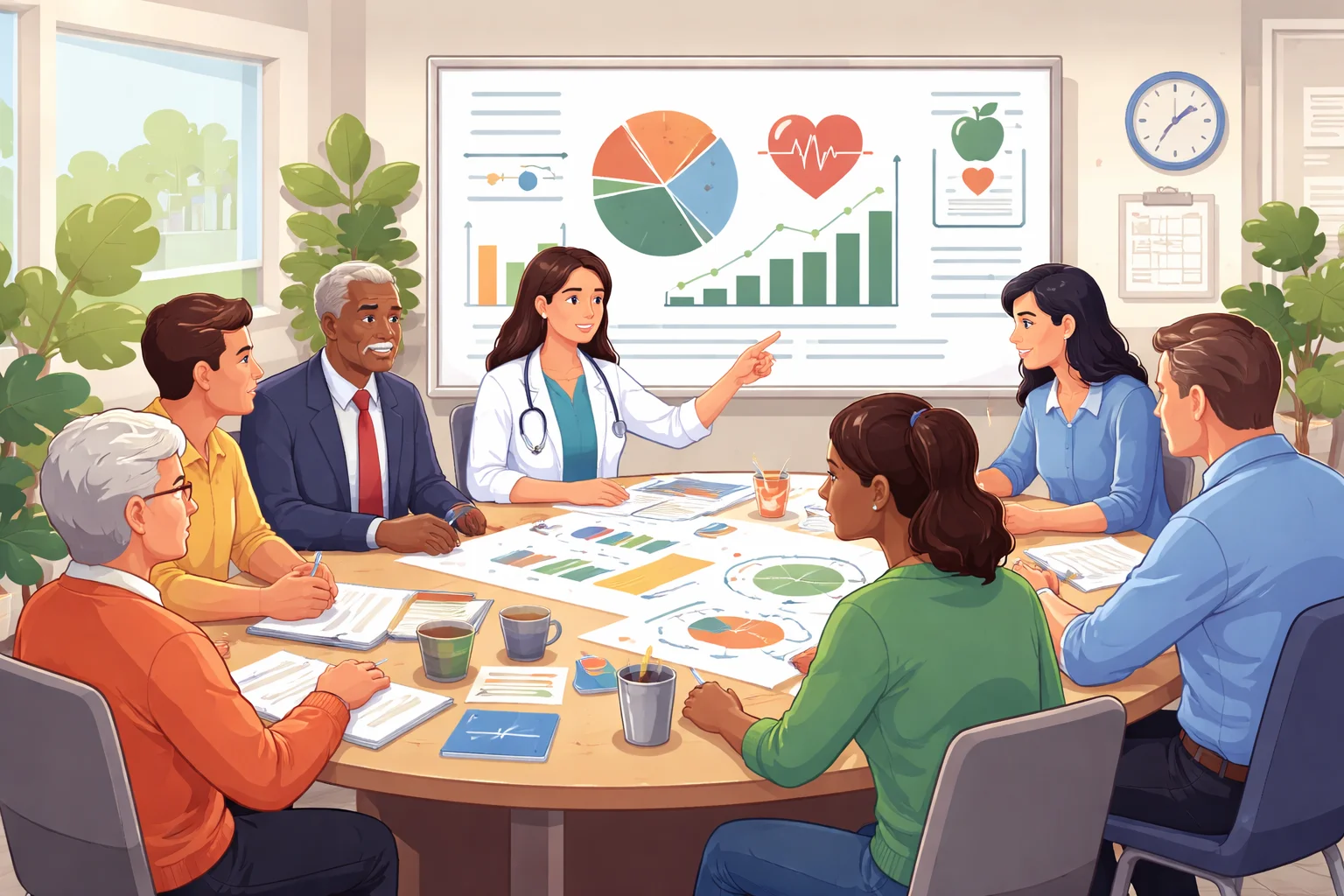
Step 1: Engage the Community
Community members, local leaders, and organizations are invited to participate. Their input helps ensure the plan reflects real needs, not assumptions.
Engagement methods may include:
- Public meetings
- Surveys
- Focus groups
- Advisory committees
Step 2: Review and Analyze Data
Health data is gathered from reliable sources and reviewed alongside community feedback. This step identifies disparities, trends, and urgent issues.
Step 3: Select Priority Areas
Using agreed-upon criteria, the community selects priority health issues. Criteria often include severity, impact, and feasibility of improvement.
Step 4: Build the Plan
Goals, objectives, and strategies are developed collaboratively. The plan is written in clear language so it can be understood by both professionals and residents.
Step 5: Implement and Monitor
Once finalized, the plan guides action. Progress is reviewed regularly, and adjustments are made as needed.
Community Health Improvement Plan Template Overview
A community health improvement plan template provides a clear structure that keeps the document organized and usable. While formats may vary, most templates include:
- Executive summary
- Community profile
- Priority health areas
- Goals and measurable objectives
- Action plans with timelines
- Evaluation framework
Using a structured template helps ensure no critical section is overlooked and makes the plan easier to update.
Community Health Improvement Plan Examples
Community health improvement plan examples show how theory is applied in real settings. Well-designed examples usually share common traits:
- Clear focus on a limited number of priorities
- Strong connection between data and chosen actions
- Defined leadership and partnerships
- Transparent progress tracking
Reviewing examples helps planners understand what works and how to adapt ideas to their own community.
Addressing Social and Environmental Factors
Health is shaped by more than medical care. A strong plan considers factors such as:
- Housing quality
- Employment opportunities
- Education access
- Transportation
- Environmental safety
Addressing these factors helps create lasting improvements and reduces health gaps within the community.
Common Challenges and How to Avoid Them
Even well-intended plans can struggle if certain issues are ignored.
Too Many Priorities
Trying to address everything at once weakens impact. Focusing on fewer priorities leads to stronger results.
Lack of Community Involvement
Plans created without community input often fail to gain support. Ongoing engagement builds trust and relevance.
Weak Measurement
Without clear indicators, progress cannot be proven. Strong measurement keeps efforts on track.
Poor Communication
If partners do not understand their roles, implementation slows. Clear communication is essential.
Keeping the Plan Active and Relevant
A community health improvement plan should guide action throughout its entire lifespan. Regular updates, public reporting, and partner check-ins keep momentum strong.
See also Latest Updates From av19org: Stay Ahead in Community Health and Tech
Flexibility is also important. Communities change, and the plan should adapt when new challenges or opportunities emerge.
Frequently Asked Questions
What is a community health improvement plan used for
It is used to identify health priorities, guide coordinated action, and improve overall community well-being through shared goals and measurable strategies.
Who creates a community health improvement plan
Local health departments often lead the process, working closely with hospitals, nonprofits, schools, government agencies, and community members.
How long does a community health improvement plan last
Most plans cover several years, with regular reviews to track progress and make adjustments.
Is a community health improvement plan required
Requirements vary by region and organization, but many public health systems use these plans as a standard practice for accountability and coordination.
Conclusion
A community health improvement plan provides a clear, structured path for improving health outcomes at the local level. By combining data, community input, focused priorities, and measurable action, it turns shared goals into real progress.
When thoughtfully developed and actively used, this plan becomes more than a document. It becomes a practical tool that helps communities work together, address real challenges, and create healthier environments for everyone.