Reducing stress naturally is not only a desirable goal but a necessary one for maintaining optimal mental health and emotional balance. For many, the question of how to reduce stress naturally involves exploring non-pharmaceutical and holistic methods that integrate seamlessly into daily life. From mindfulness practices to dietary adjustments, there are numerous ways to achieve a calm and balanced state without medication.
Understanding Stress and Its Effects
Stress is a natural response to challenges and demands, influencing both psychological and physical well-being. When chronic, it can lead to anxiety, depression, and a host of physical ailments. Understanding the root causes and effects of stress is crucial for developing effective natural stress relief methods.
Lifestyle Changes to Reduce Stress
The Benefits of Regular Exercise
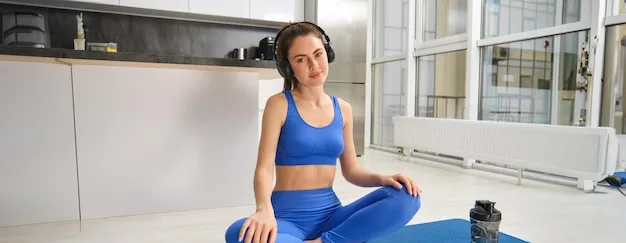
Exercise is a proven method for managing stress. Physical activity increases endorphins, the body’s natural mood elevators. Engaging in regular exercise, whether it’s yoga for stress relief or a brisk walk, can significantly lower stress levels and improve overall health.
Importance of a Healthy Diet
Diet plays a pivotal role in stress management. Foods rich in omega-3 fatty acids, such as salmon, and those high in antioxidants, like berries, can reduce stress hormones. Avoiding excessive caffeine and sugar also stabilizes mood and energy levels.
Sleep Hygiene and Its Impact
Quality sleep is fundamental in stress reduction techniques. Establishing a regular sleep schedule, creating a restful environment, and limiting screen time before bed can improve sleep quality and reduce stress.
Mindfulness and Meditation Practices
Mindfulness Techniques for Beginners
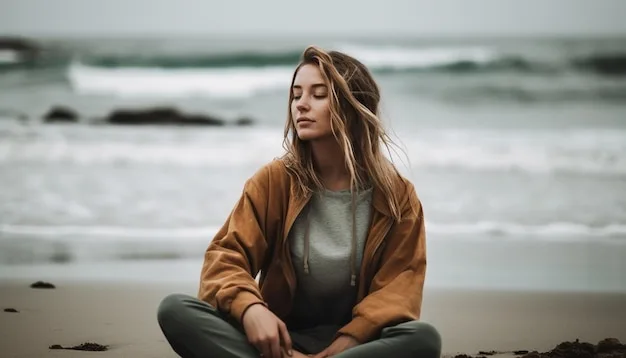
Mindfulness involves staying present and fully engaging with the current moment. Simple practices such as mindful breathing and body scan meditation can reduce stress and promote emotional balance.
Guided Meditation Practices
Guided meditation is an accessible way to practice mindfulness. With numerous apps and online resources available, individuals can easily incorporate this practice into their daily routine, enhancing relaxation and reducing stress.
Herbal Remedies and Supplements
Herbs such as chamomile, lavender, and valerian root have been traditionally used for their calming effects. These herbal remedies for stress can be taken as teas or supplements, offering a natural way to alleviate stress symptoms.
Creative Outlets for Stress Relief
Engaging in creative activities like painting, writing, or playing music can serve as powerful stress reduction techniques. These activities allow for self-expression and can divert attention from stressors, providing a therapeutic escape.
The Role of Social Connections and Support
Strong social networks provide significant stress relief. Sharing experiences with friends or family can help individuals manage stress more effectively, offering a sense of belonging and emotional support.
When to Seek Professional Help and Therapies
While natural methods are highly effective, some situations require professional intervention. Cognitive behavioral techniques and therapy can be beneficial for those whose stress significantly impacts daily life. Seeking help is a proactive step towards well-being.
Case Study: Success in Reducing Stress Naturally
Consider the story of Jane, a high-pressure executive who managed to reduce her stress levels significantly through lifestyle changes and mindfulness practices. By incorporating yoga, adopting a healthier diet, and practicing meditation, she reported a marked improvement in her mental health and productivity.
Conclusion: Your Path to a Stress-Free Life
Adopting natural stress relief methods not only enhances your mental health but also fosters a more balanced and fulfilling life. By understanding your stress triggers and applying a combination of mindfulness, exercise, and diet adjustments, you can effectively manage stress naturally.
FAQ
- How can I reduce stress naturally at home? – Incorporate mindfulness, regular physical activity, and relaxation techniques like deep breathing exercises into your routine.
- What foods help reduce stress? – Foods rich in omega-3 fatty acids, antioxidants, and magnesium, such as spinach, nuts, and fatty fish, are beneficial.
- What are some quick stress relief techniques? – Deep breathing, a short walk, or a brief meditation session can quickly alleviate stress.
- How does meditation help with stress? – Meditation helps by promoting relaxation, reducing cortisol levels, and improving emotional regulation.
- Can diet alone significantly impact stress levels? – While diet is crucial, a comprehensive approach including exercise and mindfulness practices offers the best results.