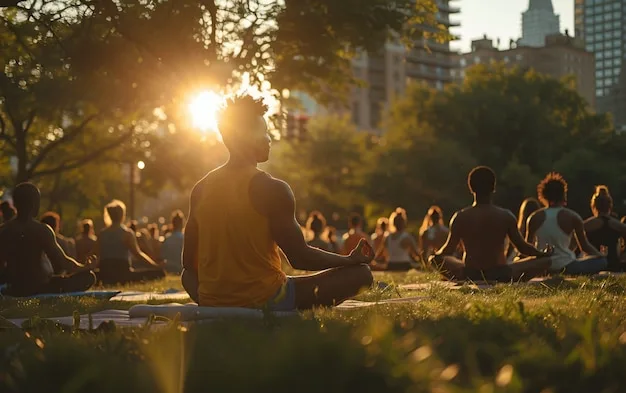
Incorporating mindfulness exercises into your daily routine can significantly improve mental health, reduce stress, and enhance focus. This article explores a variety of simple and advanced mindfulness techniques suitable for beginners and seasoned practitioners alike. Whether you’re looking to manage anxiety, enhance concentration, or foster a mindful lifestyle, these exercises offer practical solutions.
Understanding Mindfulness
Mindfulness, at its core, is the practice of being present in the moment, fully engaged with your current activity without distraction or judgment. Originating from ancient meditation traditions, mindfulness has been embraced by modern psychology due to its profound benefits for mental and physical health.
Scientific Benefits of Mindfulness
- Improved mental clarity and focus
- Reduction in stress and anxiety levels
- Enhanced emotional regulation
- Better sleep quality
- Improved physical health through stress reduction
Simple Mindfulness Exercises
Mindfulness Breathing Techniques
Breathing exercises are foundational to mindfulness practice. They help anchor you to the present moment and calm the mind. Try the following technique:
- Find a comfortable seated position and close your eyes.
- Take a deep breath in through your nose, filling your lungs completely.
- Hold the breath for a moment, then slowly exhale through your mouth.
- Focus on the sensation of your breath, noticing the rise and fall of your chest.
- Repeat for five minutes, gradually extending the duration as you become more comfortable.
Body Scan Meditation
This mindfulness activity involves mentally scanning your body from head to toe, promoting relaxation and awareness of physical sensations.
- Lie down in a comfortable position.
- Close your eyes and take a few deep breaths.
- Begin by focusing on your toes, noting any sensations or tension.
- Gradually move your attention upward through your legs, torso, arms, and head.
- Spend a few moments on each area, breathing into any discomfort.
Advanced Mindfulness Techniques
Mindful Walking
Mindful walking transforms a simple walk into a meditative practice. It encourages enhanced awareness and appreciation of your surroundings.
- Walk at a comfortable pace in a quiet environment.
- Focus on the sensation of your feet touching the ground.
- Pay attention to the rhythm of your steps and your breathing.
- Notice the sights, sounds, and smells around you.
- If your mind wanders, gently bring your focus back to the present moment.
Loving-kindness Meditation
This meditation fosters compassion and empathy for yourself and others, promoting emotional well-being.
- Find a quiet place to sit comfortably.
- Close your eyes and take a few deep breaths.
- Silently repeat phrases like “May I be happy,” “May I be healthy,” and “May I live with ease.”
- Extend these wishes to loved ones, acquaintances, and even those you find challenging.
- Focus on the feelings of warmth and kindness.
Mindfulness in Daily Life
Integrating mindfulness into daily activities can enhance your overall awareness and satisfaction.
- Mindful Eating: Pay full attention to the flavors, textures, and aroma of your food.
- Mindful Listening: Focus entirely on the speaker without planning your response.
- Mindful Journaling: Write down your thoughts and feelings without judgment.
Apps and Tools for Mindfulness
Digital mindfulness tools and apps have made practicing mindfulness more accessible than ever. Consider trying popular apps like Headspace, Calm, or Insight Timer to guide your practice with structured programs and exercises.
Mindfulness for Stress Relief
Mindfulness exercises are powerful tools for managing stress. They help calm the mind and focus your thoughts, reducing the impact of daily stressors.
Exercises for Calming the Mind
- Progressive Muscle Relaxation: Tense and release each muscle group in your body, promoting physical relaxation.
- Visualization: Picture a serene place, engaging all your senses in the imagery.
Consistency and Practice Tips
Consistency is key to reaping the benefits of mindfulness. Here are some tips to help you maintain a regular practice:
- Set a specific time for your practice each day.
- Start with short sessions and gradually increase duration.
- Join a mindfulness group or class for support and accountability.
- Use reminders or apps to prompt your practice.
Case Study: Mindfulness in the Workplace
Many companies are integrating mindfulness programs to boost employee well-being and productivity. For instance, a major tech company reported a 30% reduction in employee stress levels after implementing a mindfulness program. This approach not only improved mental health but also enhanced focus and teamwork.
Conclusion and Resources
Mindfulness exercises offer a path to improved mental health, reduced stress, and a more fulfilling life. By incorporating these practices into your daily routine, you can cultivate a greater sense of awareness and peace. For further reading, explore books such as “The Miracle of Mindfulness” by Thich Nhat Hanh or “Wherever You Go, There You Are” by Jon Kabat-Zinn. Consider attending local workshops or online courses to deepen your practice.
FAQs
- What is the easiest mindfulness exercise? Breathing exercises are often the simplest way to start practicing mindfulness.
- How can mindfulness improve mental health? It reduces stress, enhances emotional regulation, and fosters a sense of calm.
- What are the benefits of daily mindfulness practice? Consistent practice leads to improved focus, reduced anxiety, and better emotional health.
- How do I start practicing mindfulness? Begin with short, daily breathing exercises and gradually explore more techniques.
- Can mindfulness help with anxiety? Yes, mindfulness exercises can significantly reduce anxiety levels by promoting relaxation and awareness.