Recognizing the signs of dehydration is crucial for maintaining your health and well-being. Dehydration occurs when your body loses more fluids than it takes in, leading to a deficiency that can affect various bodily functions. Whether you’re an athlete, a caregiver for children or the elderly, or someone experiencing health issues, understanding dehydration symptoms is vital for prevention and treatment.
Understanding Dehydration
What is Dehydration?
Dehydration is a condition where the body lacks the necessary amount of fluids to function properly. This can result from inadequate fluid intake, excessive fluid loss, or a combination of both. Key functions like temperature regulation, joint lubrication, and waste removal are compromised, leading to potential health issues.
How the Body Maintains Fluid Balance
The human body maintains fluid balance through a complex system involving thirst signals, kidney function, and hormonal regulation. Thirst indicators prompt fluid intake, while the kidneys help conserve water by concentrating urine. Hormones like antidiuretic hormone (ADH) play a role in fluid retention, ensuring the body remains hydrated.
Recognizing the Signs of Dehydration
Mild to Moderate Signs
- Increased thirst and a dry mouth
- Decreased urination and dark yellow urine
- Fatigue and dizziness
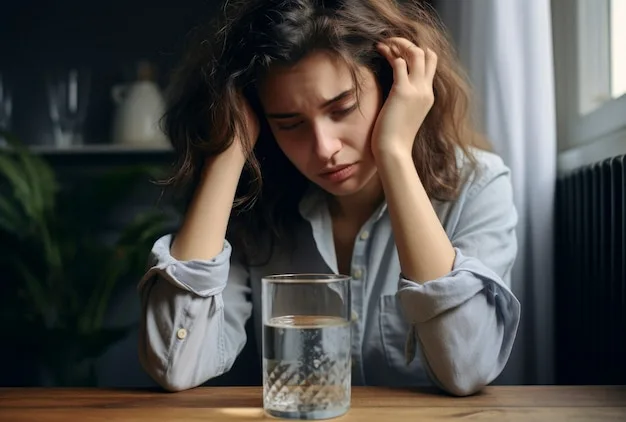
- Headaches
- Dry skin with reduced elasticity
Severe Symptoms to Watch For
Severe dehydration can be life-threatening and requires immediate medical attention. Symptoms include:
- Extreme thirst
- Rapid heartbeat and breathing
- Sunken eyes
- Low blood pressure
- Confusion and irritability
- Fainting
Causes of Dehydration
Common Causes
Dehydration can result from several factors, including:
- Insufficient water intake
- Excessive sweating due to heat or exercise
- Illnesses causing vomiting or diarrhea
- High fever
- Increased urination from conditions like diabetes
Risk Factors by Age Group
Certain demographics are more susceptible to dehydration:
- Children: Higher risk due to greater surface area to volume ratio and dependency on adults for hydration.
- Elderly: Decreased thirst sensation and potential medication interactions.
- Athletes: Increased fluid loss through sweat during intense physical activity.
Preventing Dehydration
Daily Hydration Tips
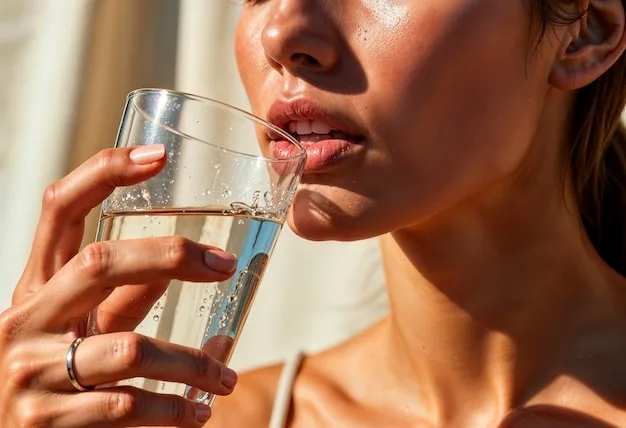
- Drink water regularly throughout the day, even if you don’t feel thirsty.
- Incorporate hydrating foods like fruits and vegetables into your diet.
- Limit diuretics such as caffeine and alcohol.
- Monitor your urine color; aim for pale yellow.
Special Considerations for Athletes
Athletes should pay close attention to their hydration levels to maintain peak performance and avoid dehydration. Strategies include:
- Drinking fluids before, during, and after exercise
- Using electrolyte-rich sports drinks for prolonged activities
- Weighing yourself before and after exercise to track fluid loss
Treatment Options
Home Remedies
For mild dehydration, consider these remedies:
- Sipping small amounts of water frequently
- Consuming oral rehydration solutions (ORS)
- Eating a balanced diet with fruits and vegetables
Medical Treatments
Severe cases may require medical intervention, such as:
- Intravenous (IV) fluids to quickly restore fluid balance
- Treatment for underlying conditions like infections or diabetes
When to See a Doctor
If you experience severe symptoms of dehydration such as confusion, rapid heartbeat, or fainting, seek medical attention immediately. Persistent dehydration despite adequate fluid intake may indicate underlying health issues.
Frequently Asked Questions
- What are the first signs of dehydration? The initial symptoms often include thirst, dry mouth, and reduced urination.
- How can I test for dehydration at home? Monitor urine color and frequency, and check for signs like dry skin and fatigue.
- Can dehydration cause headaches? Yes, dehydration is a common cause of headaches.
- What drinks are best to rehydrate? Water is best, but oral rehydration solutions and electrolyte drinks can help.
- How does dehydration affect the elderly? Older adults may have a diminished sense of thirst, increasing their dehydration risk.
Conclusion
Recognizing and addressing the signs of dehydration is essential for maintaining health. By understanding symptoms, causes, and preventive measures, you can ensure optimal hydration levels. Remember to pay attention to your body’s hydration needs, especially during illness or physical activity. Stay informed and proactive about your fluid intake to avoid the adverse effects of dehydration.